A helpful tip for socialising is to call ahead and inquire about alcohol-free options at the venue. With a knowledge of what you can drink, you’ll feel more at ease before arriving, making social interactions more enjoyable and stress-free. Explaining your decision to friends is a vital step in your journey towards a more empowered, healthier you. It’s important to frame it positively to help your loved ones understand your motivations better.
The VA considers the combined effect of PTSD and Alcohol Use Disorder to determine the level of disability and compensation, acknowledging that the presence of AUD can worsen the severity of PTSD symptoms and complicate daily functioning.The amount of benzodiazepines prescribed to the patient should be limited, and the patient should be closely monitored for relapse or nonmedical use of benzodiazepines or other medications.Participants are encouraged to obtain a sponsor who will serve as a source of practical advice and support during recovery.Excessive alcohol consumption can lead to a range of physical health problems, posing significant risks for individuals with PTSD.
Trauma Exposure.
The VA recognizes this connection and offers disability benefits to veterans who are struggling with these co-occurring disorders. Symptoms can include flashbacks, severe anxiety, nightmares, and uncontrollable thoughts about the event. It can severely impact various aspects of life, including mental well-being, relationships, and the ability to work.
Why We May Seek Alcohol to Cope with Trauma
Some may indulge in a nightly glass of wine but find it challenging to stop at one.Two of these studies used the alpha-adrenergic medication prazosin and one study used the neurokinin-1 receptor antagonist aprepitant in a proof of concept laboratory study.Uncontrollable trauma in animals and humans leads to stress-induced increases in the release of endorphins.There was no effect of aprepitant on PTSD symptoms, alcohol craving, nor on subjective physiologic response during the laboratory sessions.While alcohol might help someone fall asleep at first, it disrupts sleep later, causing people to wake up during the night.
A strong CBT treatment plan for substance abuse includes ways to challenge negative beliefs and replace harmful habits. In many cases, programs work best when they combine therapy, medical help, and peer support. Here’s what to know about the most effective options for people facing PTSD and alcoholism.
The Role of Uncontrollable Trauma in the Development of PTSD and Alcohol Addiction
The hazardous drinking construct, however, reflects all three of these domains to some degree. Because hazardous drinking reflects so many areas of drinking, it may allow coping-related drinking to account for more variance. Of course, sample bias may also help to explain this finding, since researchers are more likely drug addiction to include measures of hazardous drinking symptoms in adult samples and those with more symptom severity. Measurement approaches also acted as moderators of the indirect effect. Studies requiring binge drinking episodes for eligibility had smaller indirect effects compared to studies without an explicit drinking inclusion criterion. Studies using clinical interviews to assess PTSD reported smaller effects sizes compared to questionnaire-based measures.
Medications with Novel Mechanisms of Action that target both Alcohol Use Outcomes and PTSD
In many cases, those with PTSD may resort to alcohol to cope with symptoms they find unbearable. While alcohol initially offers a sense of relief, it eventually compounds the problem, trapping individuals in a cycle of trauma, alcohol usage disorders, and deteriorating mental health. And of course, if someone is using alcohol to mask the symptoms of PTSD, that means they may go longer without realising they have PTSD, so the root cause of the symptoms goes untreated. Survivors of trauma often deal with intense emotions and constant stress, making alcohol appealing as a way to numb their emotional pain. Trauma may also lead to risky behaviors, like binge drinking or self-medicating, to cope with the anxiety and fear linked to PTSD. In addition to the difficult symptoms PTSD causes, this mental health condition can also lead to serious complications.

Although a large sample size was a strength of Blakey’s study, the research had limitations. One of them was that the participants were specifically asked about their combat experience, not about their overall military service history. Therefore, it was ptsd and alcohol abuse unknown how many of the men without combat experience were Veterans.
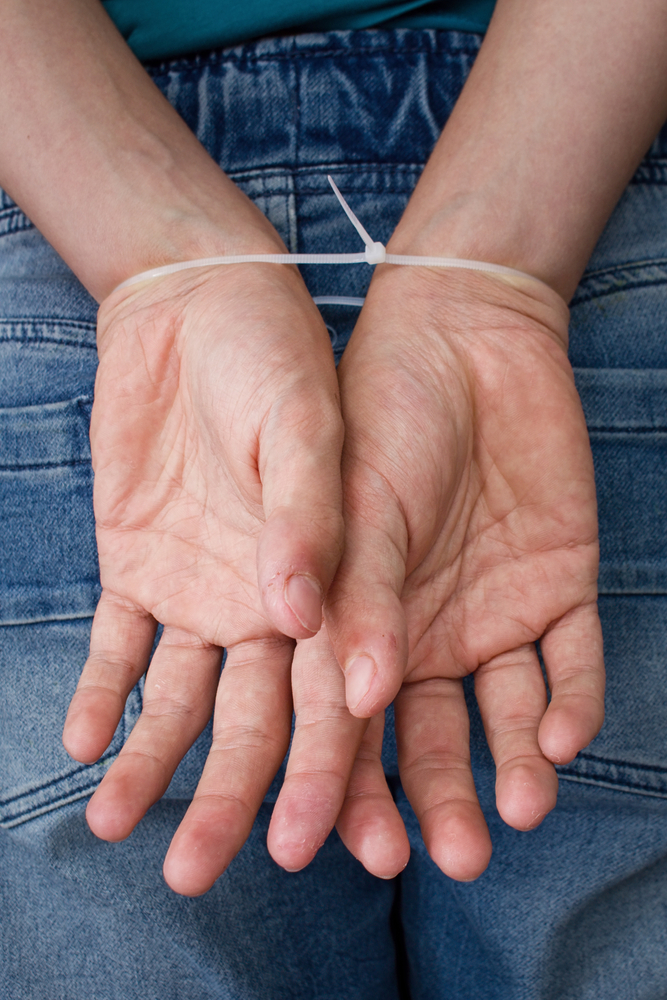
You may be using alcohol as a coping mechanism without even realizing it. Many programs start with detox, then offer group or one-on-one therapy. That’s where dual diagnosis treatment centers Pennsylvania residents rely on can help.
The co-occurrence of PTSD and alcohol addiction is a challenging but manageable condition that requires a comprehensive and integrated treatment approach. By understanding the relationship between PTSD and alcohol addiction, recognizing the factors that contribute to their co-occurrence, and implementing effective treatment strategies, healthcare providers can better support individuals in their journey toward recovery. Integrated treatment approaches that address both PTSD and alcohol addiction simultaneously offer the best chance for lasting recovery and improved quality of life. It is essential to continue raising awareness, reducing stigma, and expanding access to integrated treatment services to support those affected by these co-occurring disorders. Post-traumatic stress disorder (PTSD) is a debilitating mental health condition affecting millions worldwide. It is often characterized by intrusive memories, nightmares, and heightened anxiety, among other symptoms, which can significantly impair a person’s functioning and quality of life.
Exclusions and Missing Data
This is because individuals may turn to substances as a way to cope with the distressing symptoms of the disorder. However, substance abuse can exacerbate the symptoms and make recovering more difficult. Finally, individual preference is a critical consideration when matching people with treatment modalities.
These factors, combined with the already heightened stress response in PTSD patients, can significantly increase the risk of heart attacks and other cardiovascular complications. By understanding the complex relationship between PTSD and alcohol abuse, alcohol and drug counselors can work towards providing effective interventions and support systems that promote healing and recovery for those affected by these conditions. Post-Traumatic Stress Disorder (PTSD) and alcohol abuse often occur together, leading to a dangerous cycle that intensifies both conditions. Understanding the relationship between these two issues is crucial to providing effective treatment and support for affected individuals. Substance abuse, particularly alcohol and drugs, can also increase the risk of developing PTSD.
Finally, given the heterogeneous nature of AUD120 and the complex etiology, course, and treatment of both AUD and PTSD, studies that examine commonalities underlying effective behavioral treatments are essential. Comorbidity is common with posttraumatic stress disorder, and alcohol use disorder (AUD) is among the most common co-occurring disorders. When viewed through the lens of avoidance behaviors, AUD can shape an individual’s response to distressing trauma reminders by dulling the emotional response and promoting disengagement from the traumatic memory. Over time, this response strengthens posttraumatic distress by reinforcing the belief that traumatic memories and their emotional responses are themselves dangerous and intolerable.
News
Die Zukunft der Live -Händlerspiele in Casinos
Live -Händleroptionen verändern die Casino -Landschaft, indem sie die Begeisterung des Live -Spiels mit dem Komfort des Online -Spiels verbinden. Ab zweitausend dreiundzwanzig ist der globale Markt für Live-Händler voraussichtlich 4,5 Milliarden US-Dollar zu erreichen, die durch Fortschritte in der…
The Impact of Artificial Intelligence on Casino Operations
Artificial intelligence (AI) is transforming the casino field by simplifying operations and boosting customer satisfaction. In 2023, a report by Deloitte highlighted that AI technologies could enhance operational efficiency by up to 30%, enabling casinos to better manage resources and…
Caxino bonus – Kaikki mitä sinun tarvitsee tietää
Tervetuloa artikkeliin, jossa käsittelemme Caxino bonusta. Caxino on yksi suosituimmista online-kasinoista tällä hetkellä,Caxino bonus ja heidän tarjoamansa bonukset houkuttelevat pelaajia ympäri maailmaa. Tässä artikkelissa jaamme sinulle kaiken tarvittavan tiedon Caxino bonuksesta, sen ominaisuuksista, pelivinkeistä
Uusi Expekt – Online Roulette Expert Review
Tervetuloa Uuden Expektin jännittävään maailmaan, jossa voit pelata suosikkia kasinopeliäsi – rulettia! Olen kokenut pelaaja, jolla on yli 15 vuoden kokemus online-ruletin pelaamisesta, ja haluan jakaa kanssasi kaiken tarvittavan tiedon tästä upeasta pelipaikasta. Uusi Expekt – Kasinon ominaisuudet Uusi Expekt…
Kanuuna Kasino bonuskoodi: Tietoa ja vinkkejä pelaajille
Tervetuloa Kanuuna Kasino bonuskoodi -artikkelin pariin! Tässä artikkelissa käsittelemme suositun kasinopelin ominaisuuksia, mahdollisia voittomahdollisuuksia sekä vinkkejä pelin pelaamiseen. Kanuuna Kasino on suosittu valinta monien pelaajien keskuudessa, mutta mitä sinun tulisi tietää ennen kuin aloitat pelaamisen? Kanuuna Kasino bonuskoodi: Pelin ominaisuudet…
Mr Green Noston Kesto – Pelaajan Opas
Tervetuloa pelaajan oppaaseen Mr Greenin noston kestosta! Tässä artikkelissa käsitellään kaikkea, mitä sinun tarvitsee tietää tästä suositusta online-kasinosta, jotta voit nauttia pelikokemuksestasi täysillä. Mitä On Mr Green Noston Kesto? Mr Green noston kesto viittaa siihen aikaan, jonka pelaajan tulee odottaa,…
End of content
No more pages to load